Ingrown Toenails May Cause Serious Complications
Because of their high likelihood for infection, ingrown toenails may actually pose serious complications for some patients. Those who have joint replacements, pacemakers, or diabetes are at especially high risk for complications and further illness as a result of bacteria moving beyond the nail and into the bloodstream. This can cause infections to set in around artificial joints or implants, and for diabetics, may cause complications with controlling blood sugar and staying healthy.
Common Causes of Ingrown Toenails
Improper Nail Trimming
Ingrown toenails may occur for a number of reasons, but perhaps the most common is simply trimming the toenails too short or trimming and rounding the corners. This can also occur to those who pick or tear at the nail.
Incorrectly-Sized Socks or Shoes
Another common cause is wearing socks or shoes that are too tight around the toes, particularly those that are too short and thus cause the ends of the toes to press against the front of the shoes or socks.
Injury to The Foot or Nail Bed
Injuries to the toe or the toenail may also cause ingrown nails. The most common types of ingrown nail-causing injuries include stubbing the toe, dropping an object on it, or repetitive actions such as kicking during soccer or those that cause the feet to either swell or slide forward and put pressure on the toes, such as running or hiking.
Other Common Causes of Ingrown Toenails
Other causes of ingrown toenails include heredity and fungal infections. For some unfortunate people, ingrown toenails appear to have no obvious cause. In those with diabetes or circulation disorders, ingrown toenails may quickly progress from minor irritations to serious conditions with complications such as gangrene or bacterial infections. Consult with an expert podiatrist to learn more.
Treating Ingrown Toenails When Home Care Fails
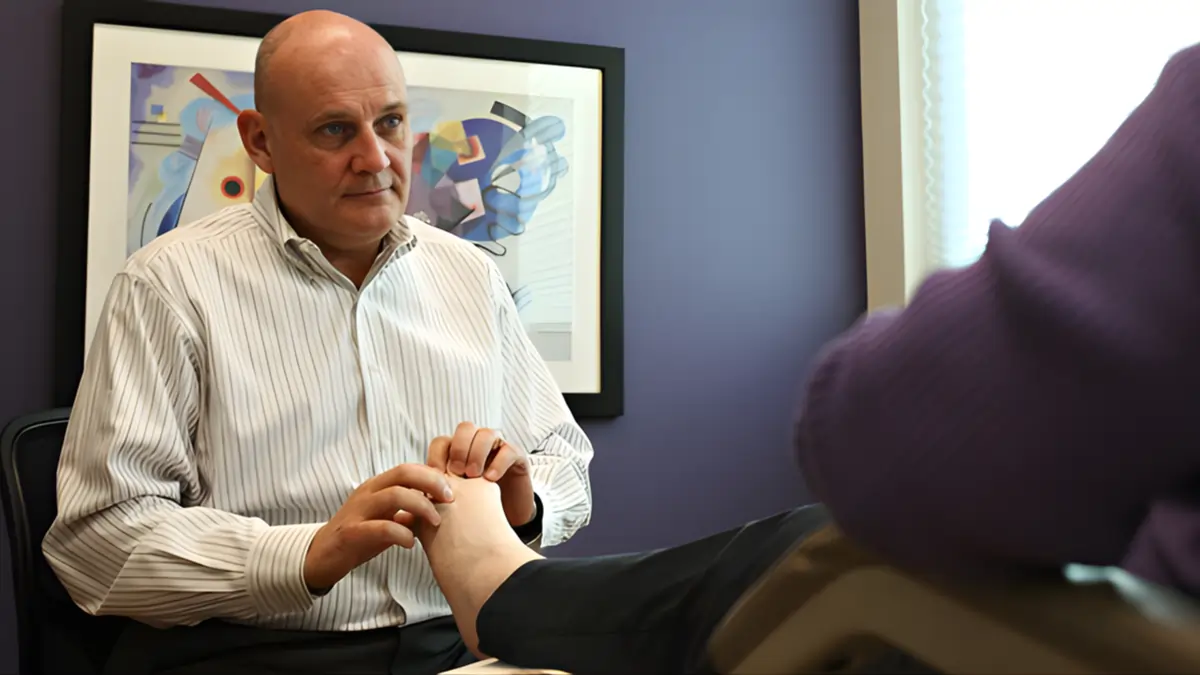
If you have followed proper toenail hygiene and wear well-fitting socks and shoes but still suffer from ingrown toenails, you may benefit from a visit with your podiatrist. It is especially important to seek a podiatrist’s care for your ingrown toenails if you have diabetes or any type of cardiovascular disorders. Your podiatrist will evaluate the problematic toe to determine the severity of the problem, whether or not there are signs of infection, and the best course of action.
If your toenail is ingrown, treatment by a podiatrist typically involves numbing the toe with a local anesthetic followed by removing the edge of the nail. Depending on the severity of your ingrown nail and whether or not it is infected, additional measures may be taken to destroy the root of the nail to encourage new, healthy nail growth, or medications or other treatments may be administered. Most healthy patients don’t require any pain medication, even after the anesthetic has worn off, although antibiotics may be prescribed if there are signs of infection.
What Happens After Ingrown Toenail Treatment?
Most patients have very few restrictions on their activity or footwear after treatment of ingrown toenails. Most are able to bathe and shower normally and are also able to wear normal shoes right away after treatment. Those who take part in sports or other exercise activities are also usually able to go back to their activities without restrictions the next day. However, it is important to follow proper toenail care and ensure that your socks and shoes fit properly to help prevent future ingrown toenails, particularly since recurrence is fairly common.
How to Prevent Ingrown Toenails
There are some factors that simply can’t be avoided, such as hereditary tendencies towards ingrown toenails. If your parents suffered from them, you may as well. However, several other factors, when addressed properly, may help prevent ingrown toenails.
Wear Properly-Fitting Socks and Shoes
Properly fitting socks and shoes are imperative in preventing ingrown toenails. Shoes and socks that are too short or too tight around the toes put excess pressure on the toes and may result in ingrown nails. Avoid shoes that are too loose as well, as the feet may shift forward and cause the toes to press against the front of the shoes, particularly when walking or running.
Take care in During Nail Trimming
When trimming your toenails, cut straight across and avoid rounding the nail. Ideally, you should leave enough of an edge that you can slide a fingernail between the nail and the toe. Take care to avoid trimming your toenails to not overdo it. Repeatedly trimming the nails with great frequency may do more harm than good. In addition, avoid cutting a notch in the nail. At one point, it was thought that doing so might relieve the pressure, but in reality it causes the nail to grow in a downward position — increasing the likelihood of developing ingrown nails.
Seek Expert Podiatric Care
Even if you are wearing properly-fitting socks and shoes and practice proper nail care, you may not be immune to ingrown toenails. It is important to seek a podiatrist at the first sign of an ingrown toenail rather than simply trying to treat it on your own. Those who attempt to treat their own ingrown toenails without podiatric help are far more likely to suffer from infections and recurrences of their ingrown nails. If you have been suffering from painful toes and toenails, call Kansas City Foot Specialists or schedule an appointment online with one of our podiatrists today!