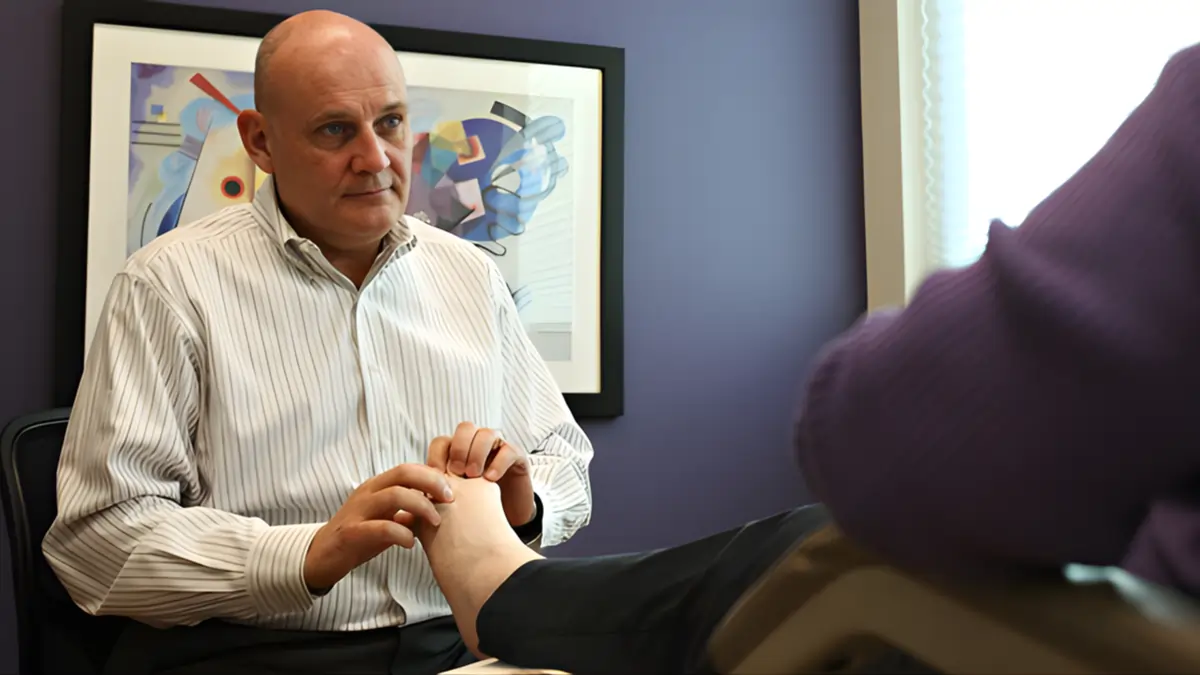

February is American Heart Month
Did you know February is American Heart Month? When most people think about heart health, they consider chest pain, blood pressure, or cholesterol. But one of the earliest warning systems in your body is actually your feet and ankles.
Kansas City Foot Specialists sees patients across the Kansas City metro area who visit for swelling, tingling, or discomfort—only to discover that the root cause is related to circulation and heart health. As we transition from Winter into Spring, these issues can become more noticeable due to weather changes, decreased activity, and seasonal health patterns. Here’s what patients should know about the connection between heart and foot health, common symptoms, and when to seek care:
The Connection Between Foot & Heart Health
Your heart’s main job is to pump blood throughout your body. Your feet and ankles are the farthest points from your heart, so they rely heavily on strong circulation to stay healthy. When heart function or blood pressure is compromised, the first visible signs often appear in lower extremities. Even small changes in blood flow can cause swelling, tingling, or discomfort—sometimes before more serious cardiovascular symptoms develop.
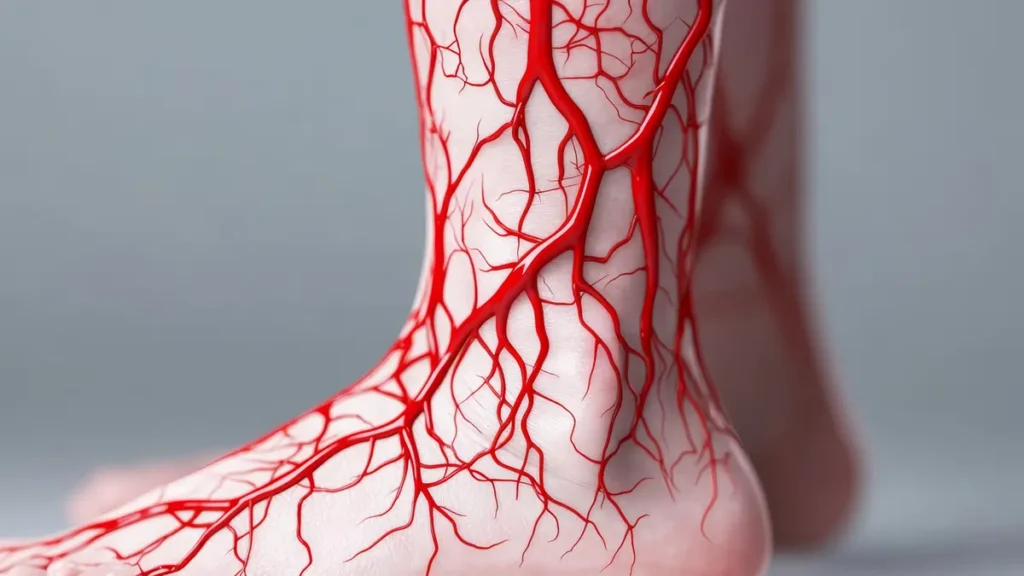
Healthy circulation delivers oxygenated, nutrient-rich blood with proper levels of hydration. When circulation slows or pressure increases, fluid can collect in the feet and ankles, leading to symptoms like:
- Swelling
- Tingling
- Discoloration
- Cold feet
- Slow wound healing
Common, Heart-Related Foot Symptoms to Watch for:
1. Swollen Feet and Ankles
One of the most common concerns we see locally is foot and ankle swelling linked to high blood pressure. Fluid retention can occur when:
- The heart isn’t pumping efficiently
- Blood vessels are under increased pressure
- Circulation becomes restricted
This condition, called edema, may worsen:
- After long periods of sitting or standing
- During colder winter months
- With decreased physical activity
2. Tingling or Numbness in the Feet and Ankles
Tingling sensations can result from reduced blood flow to nerves, increased pressure on vessels, or peripheral circulation problems. Over time, untreated issues may progress to nerve damage or peripheral neuropathy. If you notice persistent tingling or numbness, it’s important to schedule an evaluation with our podiatrists to identify the cause early.
3. Skin Changes and Slow Healing on Feet or Ankles
Warning signs may look like:
- Shiny or tight skin
- Darkened patches
- Open sores that heal slowly, or wounds that take a long time to heal.
These often indicate poor circulation, which may reflect underlying cardiovascular concerns. Prompt evaluation can prevent serious complications.
Why Seasonal Changes Affect Foot and Heart Health
Kansas City’s shift from Winter to Spring can do more than impact sinuses and allergies, it can impact vein health.
Winter Factors:
- Cold temperatures constrict blood vessels, reducing circulation and increasing blood pressure
- Reduced activity during winter months can worsen fluid retention and swelling
Spring Transition:
- Warming temperatures can make fluid retention more noticeable
- Sudden increases in activity can strain the feet and ankles
- Many patients first notice swelling or discomfort during this time
Treatment Options for Circulation-Related Foot Issues
Medical Management for Circulatory Health
- Circulation monitoring
- Compression therapy
- Customized care plans
- Coordination with primary care or cardiology providers
Lifestyle Recommendations for Improved Foot Circulation
- Regular movement and walking
- Leg elevation
- Proper hydration
- Supportive footwear
- Stay physically active
- Monitor blood pressure
- Elevate legs after long periods of sitting
- Schedule routine evaluations

Foot, Ankle and Heart Health F.A.Q.s
1. Can high blood pressure cause swollen feet?
Yes. High blood pressure can lead to fluid retention and circulation issues, often appearing as swelling in the feet and ankles.
2. Why do my feet tingle when my blood pressure is high?
Tingling often results from reduced blood flow affecting nerves, which can occur when circulation is compromised.
3. Is foot swelling always related to heart problems?
Not always. Swelling can also result from injuries, vein issues, or prolonged sitting. Persistent swelling should always be evaluated.
4. Does cold weather affect foot circulation?
Yes. Cold temperatures constrict blood vessels, reducing circulation and increasing the risk of swelling and discomfort.
5. When should I see a podiatrist for swelling?
You should schedule an evaluation if swelling lasts more than a few days, worsens, or is accompanied by pain, numbness, or skin changes.