Proactive Foot Care, Any Time of Year
The fall and holiday season brings family gatherings, travel, shopping, cooking, and long days on your feet. For individuals living with diabetes, this time of year can also increase the risk of foot problems with their diabetes—especially with cold weather, dry skin, changes in routine, and long stretches of walking or standing.
Kansas City Foot Specialists care for patients across Overland Park, Blue Valley, Leawood, and the Kansas City metro who want to enjoy the holidays without worrying about complications. Whether you’re preparing for Thanksgiving, traveling to see loved ones, or celebrating locally, a little proactive foot care can make a big difference.
Why Foot Care Is Critical for People With Diabetes
Diabetes affects the feet in two major ways:
1. Nerve Damage (Neuropathy)
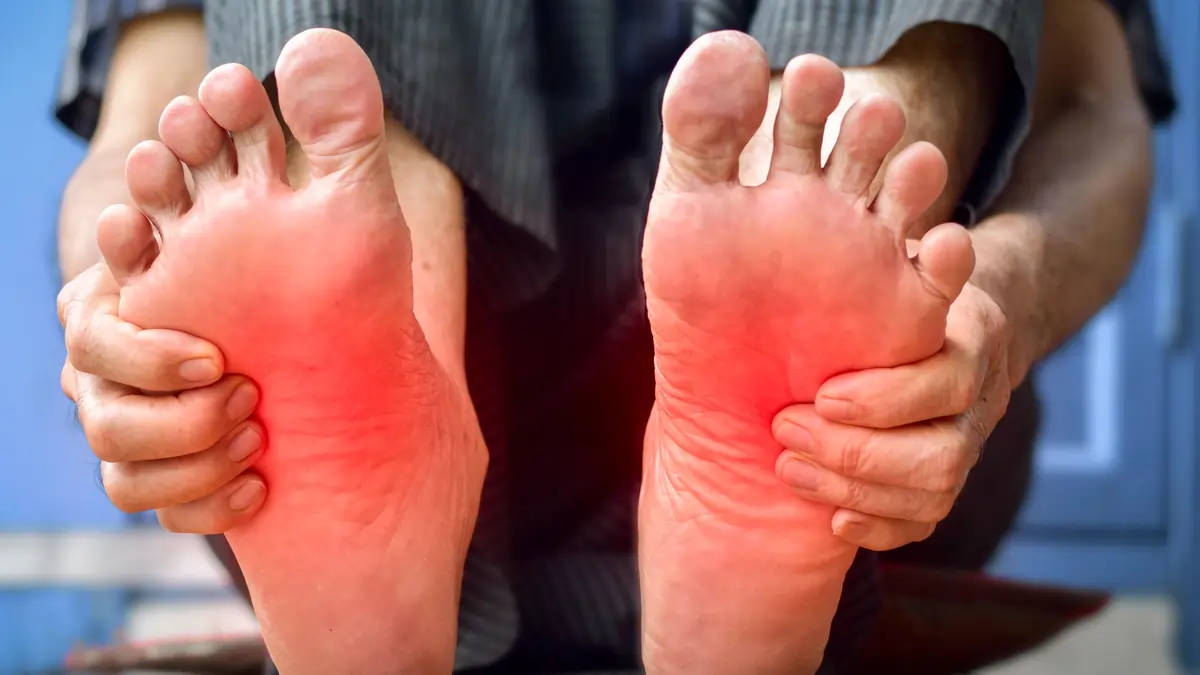
One of the first issues many of our diabetic patients notice—especially this time of year—is nerve damage in the feet. Neuropathy can cause tingling, numbness, burning sensations, or even a complete loss of feeling. Because these symptoms make it difficult to notice injuries, proper foot care becomes especially important. Stay on top of your foot health with preventative exams by The Kansas City Foot Specialists, schedule an appointment online!
2. Poor Circulation
When blood flow is reduced, the body has a harder time healing—even small injuries can take much longer to recover. This slowed healing increases the risk of infection and makes consistent diabetic foot care essential. This is particularly important for lower extremities, where the heart may already be working harder to reach them.
For individuals with diabetes, something as simple as a blister, a patch of dry skin, or a small cut can quickly develop into a more serious problem if it’s not monitored closely. That’s why understanding the early signs of circulation problems in the feet is so important, especially during the holiday season. Call Kansas City Foot Specialists to learn more and schedule an appointment.

Foot Health and Care Tips for Fall & Winter
The fall and holiday months bring extra activity—travel, shopping, family events, and colder weather—all of which can place added stress on your feet. Here are practical, podiatrist-recommended steps to help keep your feet healthy while still enjoying the season.
Choose Supportive, Well-Fitting Footwear
Wear supportive, well-fitted shoes, especially if you’ll be standing or walking for long periods. Avoid breaking in brand-new shoes during travel or special events, as they can cause friction and lead to blisters or pressure sores. Custom orthotics by Kansas City Foot Specialists provide another layer of protection and support for your feet during long work days or physical activity.
Stay Hydrated and Keep Skin Moisturized
Cold, dry weather increases the risk of cracked heels and irritated skin. Apply a doctor-approved moisturizer daily to prevent dryness—but avoid putting lotion between the toes, where excess moisture can cause infection.
Examine Your Feet for Changes Regularly
Daily checks are essential for anyone managing diabetes. Use a mirror if needed, and look for cuts, cracks, redness, swelling, or temperature changes that might indicate early problems.
Manage Your Blood Sugar Level Responsibly
Holiday meals can make this challenging, but stable blood sugar is one of the most important ways to prevent diabetic foot complications. Plan ahead, stay hydrated, and monitor your levels regularly.
Protect Your Feet Indoors & Outdoors
Never go barefoot—even at home or during holiday gatherings. Wearing socks and supportive shoes protects your feet from accidental injuries you may not feel right away.
Layer Clothing for Warmth and Improved Circulation
Wear warm, insulated socks during cold weather, but avoid tight socks that restrict circulation. Layering appropriately helps reduce the risk of numbness or frostbite.
Be Mindful of Movement While Traveling
During long flights or car rides, move your feet and wiggle your toes every hour to support circulation. A few simple movements can help prevent swelling and discomfort.
Manage Your Diet Responsibly
You don’t have to skip holiday favorites. Stick to smaller portions, drink plenty of water, and balance your plate with vegetables and lean protein to help maintain blood sugar control.
When to Schedule a Visit With a Podiatrist
Contact Kansas City Foot Specialists right away if you notice:
- A sore or ulcer that isn’t healing
- Increased swelling in the feet or ankles
- Warm, red patches on the skin
- Sudden or unexplained foot pain
- A new blister, callus, or area of irritation
- Any changes in skin or nail color
- Numbness, tingling, or burning sensations
Kansas City Foot Specialists’ licensed, specialized team of podiatric care providers are focused on proactive care, early diagnosis, and getting you back on your feet.